
TL;DR:
- Home remodeling involves structural, layout, or functional changes, while renovation focuses on cosmetic updates. Proper permits, local expertise, and climate-specific material choices are crucial in Arizona's West Valley projects for safety, compliance, and long-term value. Prioritizing energy efficiency and understanding regional guidelines ensures projects yield optimal financial and personal satisfaction.
Most homeowners in Buckeye, Goodyear, and the greater West Valley area use "remodeling" and "renovation" interchangeably, but these terms mean very different things in the construction world, and mixing them up can cost you real money. Imagine budgeting for a cosmetic refresh and then discovering your open-concept vision requires pulling permits, hiring structural engineers, and adding months to your timeline. This guide breaks down exactly what home remodeling means, walks you through the process step by step, shows you which projects deliver the strongest return in Arizona's market, and gives you the permit and team knowledge you need to move forward confidently.
Table of Contents
- Defining home remodeling: Beyond surface-level changes
- The home remodeling process: What to expect in West Valley, AZ
- Which projects deliver the most value and satisfaction?
- Regulations, permits, and who you need on your team
- What most guides miss: Remodeling for Arizona realities
- Ready for your Arizona remodeling project?
- Frequently asked questions
Key Takeaways
| Point | Details |
|---|---|
| Remodeling vs. renovation | Remodeling involves structural changes, while renovation is about updates and refreshes. |
| Arizona requires preparation | Plan for strict permits, local energy considerations, and a longer timeline in West Valley. |
| ROI projects | Kitchens, energy upgrades, and doors give the greatest value and satisfaction for homeowners. |
| Licensed pros matter | Hiring licensed contractors and following regulations protects your investment and safety. |
Defining home remodeling: Beyond surface-level changes
Now that we've set the stage, it's crucial to clarify these commonly interchanged terms before diving deeper into the process and payoff.
Home remodeling means changing the structure, layout, or function of a space, not just updating how it looks. When you knock out a wall to combine a kitchen and living room, convert a garage into a livable suite, or add a bathroom to a floor plan that never had one, that's remodeling. Renovation, by contrast, is cosmetic. New paint, updated cabinet hardware, fresh tile over existing flooring, a new light fixture — renovation refreshes what's already there.
The practical gap between these two is wide. As renovation vs. remodel research confirms, renovations are cosmetic refreshes often manageable as DIY projects, while remodeling involves structural changes like removing walls or adding rooms, requiring licensed professionals and city permits. That distinction reshapes your budget, your timeline, and the team you need to hire.
Here's a quick look at common examples in both categories:
Renovation examples:
- Repainting interior walls or cabinets
- Replacing light fixtures or faucets
- Installing new flooring over an existing subfloor
- Updating countertops without changing the layout
- Applying new tile to an existing shower surround
Remodeling examples:
- Removing load-bearing walls to open up floor plans
- Adding a room addition or expanding square footage
- Converting an unfinished garage or basement into living space
- Relocating plumbing to redesign a kitchen or bathroom layout
- Raising ceilings or adding dormer windows for more headroom
| Factor | Renovation | Remodeling |
|---|---|---|
| Scope | Cosmetic updates | Structural or layout changes |
| Cost range | $500 to $15,000+ | $15,000 to $150,000+ |
| Complexity | Low to moderate | Moderate to high |
| Permits required | Rarely | Almost always |
| Professionals needed | Optional (DIY friendly) | Licensed contractors required |
| Timeline | Days to weeks | Weeks to months |
Understanding remodeling value and enjoyment starts with knowing which category your project falls into, because it determines every decision that follows.
The single most expensive mistake homeowners make is starting a remodeling project thinking it's a renovation. Skipping permits, hiring unlicensed workers, or underestimating structural complexity can turn a $30,000 kitchen project into a $75,000 ordeal with city fines, failed inspections, and forced demolition of completed work. Know what you're getting into before you break ground.
The home remodeling process: What to expect in West Valley, AZ
Having clarified what remodeling means, let's explore the typical journey from idea to finished project in your part of Arizona.
The West Valley is one of the fastest-growing housing markets in the country, which means permit offices in Buckeye, Goodyear, and Peoria are busy. Local jurisdictions have become stricter about structural permits in recent years, particularly for anything touching load-bearing elements, electrical panels, or plumbing. Renovation trends in 2026 show a median remodeling spend of $20,000 with planning timelines averaging 5 to 7 months from first idea to project completion. That's not a typo. Five to seven months sounds like a lot, but much of that time is front-loaded into planning and permitting, not active construction.
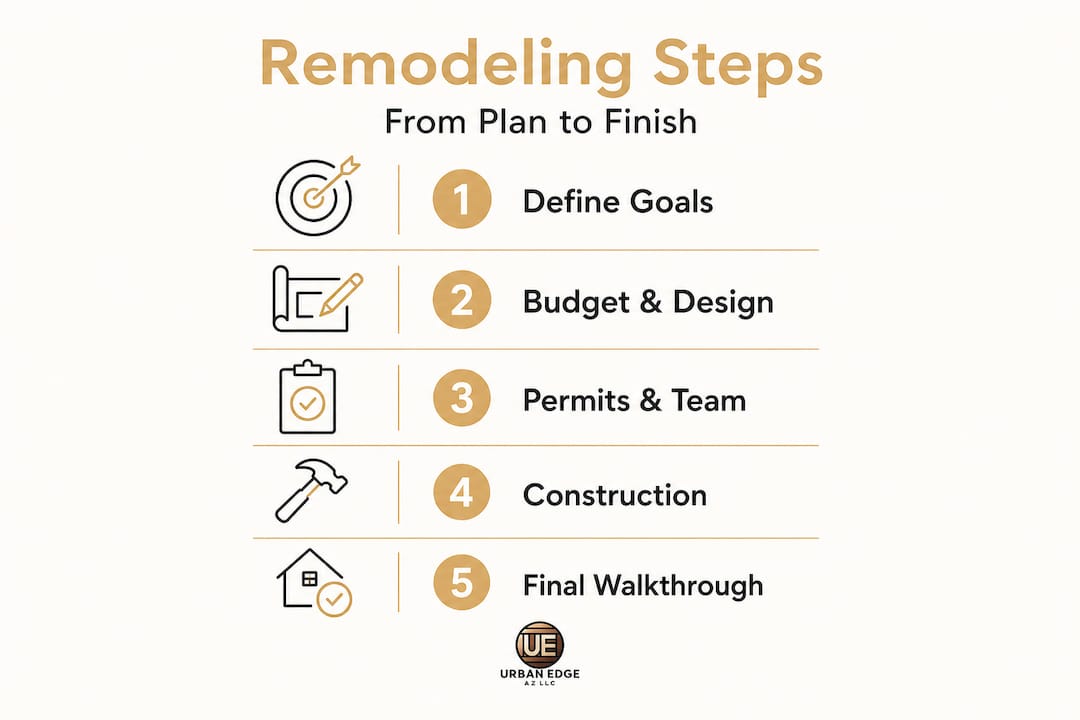
Here's the full process broken down into clear, manageable steps:
-
Define your goals and budget. Before you call a single contractor, write down exactly what you want to achieve and set a realistic budget range. Know your must-haves versus your nice-to-haves. Review your finances and identify whether you'll self-fund, finance, or use a home equity line of credit.
-
Hire a licensed general contractor. For any remodeling project involving structural changes, this step comes early, not after planning. A qualified contractor will help you refine your scope, flag potential issues, and estimate costs before you commit. Reviewing remodeling contracts in Arizona before signing anything protects you at this stage.
-
Design and planning phase. Work with your contractor and possibly an architect or interior designer to finalize drawings, material selections, and specifications. This phase typically takes 4 to 8 weeks for medium-scale projects.
-
Pull permits. Your contractor submits permit applications to the relevant city or county office. In Buckeye or Goodyear, structural permits for additions or wall removals can take 2 to 6 weeks for approval depending on project complexity and submission accuracy.
-
Pre-construction prep. Materials are ordered, subcontractors are scheduled, and the site is prepared. Supply chain delays on specialty items like custom cabinetry or specific window sizes can add 4 to 8 weeks to this phase in 2026.
-
Active construction. This is the phase most people picture. Framing, electrical rough-in, plumbing rough-in, HVAC modifications, insulation, drywall, tile, cabinetry, and finishes all happen in sequence. Each trade requires inspections before the next phase can begin.
-
Inspections and approvals. City inspectors visit at key milestones, often framing, rough electrical, rough plumbing, and final completion. Failed inspections require corrections and re-inspection, which adds time.
-
Punch list and completion. The final walkthrough identifies any items that need touch-up or correction. A reputable contractor addresses these before final payment.
Pro Tip: Start your planning and contractor conversations at least 3 months before you want construction to begin. In the West Valley, popular contractors book out quickly, and permit timelines add weeks you can't control. Getting into the queue early keeps your project on track. The residential construction guide for Arizona walks through these phases in more detail, and the general contracting guide for Arizona homeowners covers what to expect from your contractor at each stage.
Which projects deliver the most value and satisfaction?
Now that you know the process, let's tackle the big question: Which projects make the smartest investment for your needs and Arizona's market?
Not all remodeling projects are equal. Some deliver strong financial returns when you sell. Others deliver daily quality of life upgrades that make your home feel transformed. The best projects do both, and the data gives us a clear picture of where that sweet spot lives.
The 2025 NAR Remodeling Impact Report benchmarks both financial recovery and homeowner satisfaction across dozens of project types. On the joy side, kitchen upgrades and primary bedroom suite additions scored a perfect 10 out of 10 in homeowner satisfaction. On the financial side, steel door replacements recovered 100% of their cost at resale, while closet renovations recovered 83% and garage door replacements recovered 80%.
National remodeling and improvement spending hit $603 billion in 2024, reflecting just how seriously American homeowners are investing in their properties. That figure tells you the market is mature and competitive, which means buyers increasingly expect updated, well-maintained homes.
Here's how the top projects stack up, with notes relevant to the Arizona market:
| Project | Average cost recovery | Joy score (out of 10) | Arizona notes |
|---|---|---|---|
| Steel entry door replacement | 100% | 9 | Excellent for heat reduction and curb appeal |
| Closet renovation | 83% | 10 | High demand in West Valley family homes |
| Garage door replacement | 80% | 9 | Boosts curb appeal significantly |
| Kitchen upgrade | 75% | 10 | Top priority for buyers and sellers alike |
| Primary bedroom suite | 70% | 10 | Adds livable square footage and comfort |
| Energy-efficient windows | 65-72% | 8 | Critical in desert climate for comfort savings |
| Bathroom addition | 63% | 9 | Strong value in 3-bedroom homes |
| HVAC system upgrade | 60% | 8 | Reduces cooling costs by up to 25% in summer |
For West Valley homeowners specifically, energy-efficient upgrades like windows and HVAC deserve extra weight because the desert climate makes them a practical and financial priority, not just a resale strategy. When temperatures regularly exceed 110 degrees Fahrenheit in summer, a high-performance HVAC system and low-e coated windows aren't luxury features — they're essential infrastructure.
Beyond the numbers, remodeling delivers a range of secondary benefits worth considering:
- Comfort improvements that you enjoy every single day you live in the home
- Functional gains like better kitchen workflow, more storage, or an extra bathroom that reduces morning congestion
- Energy cost reductions that put real money back in your pocket each month
- Market appeal that makes your home competitive if you decide to sell
- Personal pride in a home that reflects your style and works the way you want it to
Pro Tip: If you're planning to sell within 5 years, prioritize kitchen and bath upgrades alongside curb appeal projects. If you're staying long-term, weight your energy-efficient upgrades heavily — the savings compound over time in Arizona's demanding climate. Browse remodeling project ideas for Arizona homes for inspiration, and don't overlook exterior renovations in West Valley — the outside of your home is the first thing buyers and neighbors see.
Regulations, permits, and who you need on your team
Before starting any project, it's essential to get clear on the rules — let's talk permitting and professionals.
Skipping permits is never worth the risk. The consequences go far beyond a fine. Unpermitted work can void your homeowner's insurance coverage for damages related to that work, alert future buyers and their inspectors, and require you to tear out completed construction to bring it up to code. Arizona takes this seriously, and so should you.
Unpermitted structural work is one of the top reasons home sales fall apart in Arizona. When a buyer's inspector flags an unpermitted addition or altered load-bearing wall, the seller often faces a choice: reduce the price, pay to remediate the work retroactively, or watch the deal collapse. The cost of skipping a permit is almost always higher than the permit itself.
As confirmed by structural remodeling requirements, any project involving structural changes, including removing walls, adding rooms, or relocating plumbing, requires professional oversight and permits in virtually every Arizona jurisdiction.
Here's how to stay on the right side of the law and your local building department:
-
Research your specific jurisdiction. Permit requirements vary between Buckeye, Goodyear, Peoria, and unincorporated Maricopa County. Start by calling your city's building department or checking their website to understand what triggers a permit requirement.
-
Hire a licensed general contractor before designing. Your contractor can advise on what permits your project needs and handle the application process. Verify licensing through the Arizona Registrar of Contractors website.
-
Confirm the contractor carries insurance. General liability and workers' compensation insurance protect you if something goes wrong during construction. Ask for certificates of insurance and verify they're current.
-
Never let work start before permits are posted. A permit must be issued and posted on the job site before any permitted work begins. If a contractor asks to start framing before permits arrive, that's a serious warning sign.
-
Attend all inspections or confirm your contractor will. Inspections are checkpoints that confirm work is code-compliant. Make sure your contractor schedules and passes each required inspection before proceeding.
-
Get a signed lien waiver at each payment stage. This protects you from subcontractors placing liens on your property if your general contractor fails to pay them.
Understanding contractor licensing in Arizona is foundational to protecting your investment. Before you sign anything, review how to hire a contractor in Arizona to ensure you know what questions to ask and what documentation to request. A licensed, insured, experienced contractor is your most important asset on any remodeling project.
What most guides miss: Remodeling for Arizona realities
Every national home improvement guide covers the basics well. They'll tell you to get multiple bids, check references, and pull permits. That advice is solid. But here's the problem: most of those guides are written for a national audience, and the West Valley of Arizona operates under a specific set of conditions that reshape every priority on the list.
We've worked with hundreds of homeowners in Buckeye, Goodyear, and the surrounding communities. The patterns are consistent. Homeowners who relied on generic national guides consistently underestimated three things specific to this region.
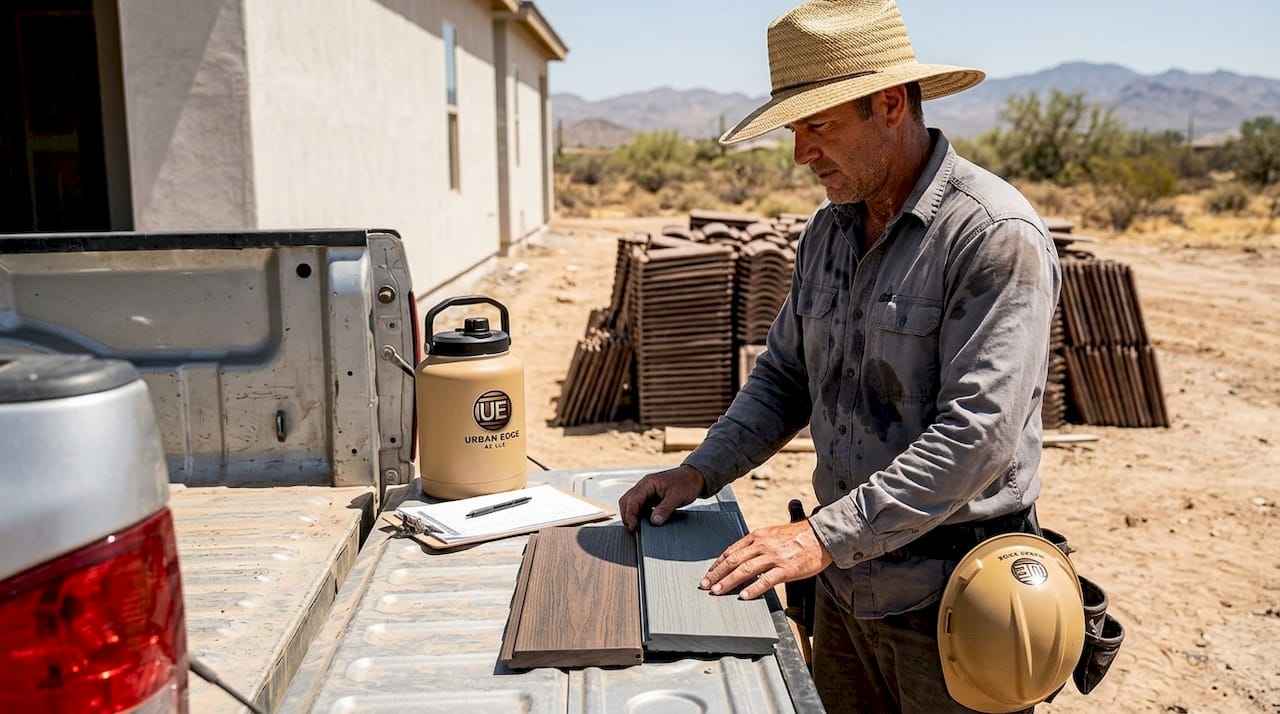
First, the heat changes what materials you can and should use. In a climate that regularly sees 110 to 115 degree Fahrenheit summers, standard exterior paint fades and peels faster, non-heat-resistant roofing materials degrade ahead of schedule, and windows that meet code in Minnesota are functionally inadequate here. Choosing materials that perform in Arizona's desert environment is not an aesthetic decision — it's a practical one with real cost implications.
Second, energy efficiency isn't just a green lifestyle choice here. It's a financial imperative. Energy-efficient windows and HVAC upgrades deliver measurable monthly savings that simply don't exist in temperate climates where your air conditioner runs for 3 months instead of 8. When we model the long-term financials with West Valley clients, energy upgrades consistently outperform cosmetic remodels in total return over a 10-year period. Generic guides almost never lead with this insight because it's not universally true everywhere — but it's absolutely true here.
Third, permit timelines in the West Valley's fastest-growing cities are longer than the national average because building departments are stretched by the volume of new construction happening simultaneously. Homeowners who budget 4 weeks for permit approval and then wait 10 are caught off guard, even when they've done everything right. Building that buffer into your schedule from day one is essential advice you won't find in most general guides.
The practical takeaway is this: the fundamentals of remodeling are universal, but the execution is local. Choosing a contractor who has worked extensively in your specific city and understands the climate, the inspectors, the subcontractor network, and the material considerations for desert construction is worth more than the lowest bid from an out-of-area firm. Working with local experts who understand exterior value renovations in the West Valley specifically means your project is designed for the environment it will live in, not a theoretical average climate somewhere in the continental United States.
Ready for your Arizona remodeling project?
Equipped with clear guidance and insider perspective, you're ready to move forward — but don't do it alone.
At Urban Edge AZ LLC, we specialize in residential remodeling for homeowners throughout the West Valley, including Buckeye, Goodyear, and Phoenix. From the first planning conversation to the final inspection, we handle every step with licensed professionals, transparent pricing, and a genuine commitment to quality work that holds up in Arizona's demanding climate. Whether you're envisioning a full kitchen transformation or a structural addition, our kitchen remodeling services are designed to deliver the function, beauty, and value you're investing in.
Before you hire anyone, protect yourself by reviewing our guide to contractor red flags — so you know exactly what warning signs to watch for during the bidding and contract process. Ready to get started? Contact Urban Edge AZ LLC to schedule your consultation and get a clear picture of what your remodeling project can look like, on budget and on time.
Frequently asked questions
What is the main difference between home remodeling and renovation?
Remodeling changes a home's structure or layout, while renovation updates surfaces and finishes without major structural changes. According to renovation vs. remodel guidance, renovations are typically DIY-friendly cosmetic refreshes, while remodeling requires professionals and permits.
How long does a typical home remodel take in West Valley, AZ?
Most medium-scale remodels require 5 to 7 months from initial planning to completion, according to 2026 renovation trend data. That timeline includes planning, design, permitting, construction, and inspections.
Which remodeling projects offer the best return on investment?
Kitchen upgrades, energy-efficient windows, and steel door replacements consistently rank highest for both ROI and homeowner satisfaction. The 2025 Remodeling Impact Report shows steel door replacement recovering 100% of cost and kitchen upgrades scoring a perfect 10 for homeowner joy.
Do I need a permit for home remodeling in Arizona?
Permits are required for any structural changes, including removing walls, adding rooms, or relocating plumbing or electrical systems. As confirmed by Arizona remodeling requirements, skipping permits can create serious legal, insurance, and resale complications.
What is the average cost to remodel a home in Arizona in 2026?
The median remodeling spend in 2026 is approximately $20,000, but total costs vary widely depending on project scope, materials, and whether structural changes are involved. Larger additions or full kitchen or bathroom remodels frequently exceed this figure.