
TL;DR:
- Building a new home involves multiple stages, from site selection to final walkthroughs, spanning several months. Active homeowner engagement, including independent inspections and thorough documentation, is crucial for ensuring quality craftsmanship. Understanding market metrics, realistic timelines, and carefully managing the process helps avoid costly surprises and achieves successful construction.
Most homeowners assume building a new home is straightforward: pick a lot, sign some papers, and move in within a few weeks. That assumption is where the stress begins. What is new build construction, really? It is a multi-stage process involving site selection, permitting, sequential construction phases, inspections, and final walkthroughs, often spanning five to seven months or more. For homeowners in Buckeye, Goodyear, and the broader West Valley region of Arizona, understanding this process upfront is the difference between a smooth experience and an expensive, frustrating surprise. This guide walks you through every critical stage.
Table of Contents
- Understanding new build construction: definition and market context
- Typical construction process and timeline for West Valley homeowners
- Ensuring quality craftsmanship and effective project management
- Comparing new build homes with existing homes: advantages and considerations
- Practical tips for West Valley homeowners planning a new build project
- A fresh perspective on new build construction for West Valley homeowners
- Partner with Urban Edge AZ LLC for your West Valley new build
- Frequently asked questions
Key Takeaways
| Point | Details |
|---|---|
| Multi-stage process | New build construction involves a series of stages from lot selection through closing that take several months. |
| Variable timelines | Your specific construction timeline depends on many factors including permits, labor, and weather in West Valley. |
| Inspection importance | Scheduling pre-drywall and final inspections is critical to ensuring construction quality and safety. |
| Market differences | New builds in suburban West Valley have less of a price premium compared to urban new homes nationally. |
| Professional partnership | Working with experienced local contractors ensures better project management and craftsmanship. |
Understanding new build construction: definition and market context
New build construction, sometimes called new construction or new residential building, refers to creating a home entirely from scratch on a plot of land rather than purchasing an existing structure. Every element, from the foundation to the roof, is built to your specifications and modern building codes. This is not the same as buying a recently constructed spec home, though spec homes are technically a form of new construction where the builder builds ahead of a buyer committing.
The new construction definition extends across several categories:
- Custom builds: You own the land and hire a general contractor or builder to construct a fully customized home to your exact design and specifications.
- Semi-custom builds: A builder offers a set of floor plans and you personalize finishes, layouts, and features within those options.
- Spec homes: Builders construct homes without a committed buyer, often in planned communities, banking on selling once complete or near completion.
- Production builds: Large-scale builders construct homes in planned communities with limited customization options but often faster timelines and more predictable pricing.
Understanding which type you are pursuing matters enormously when it comes to timeline, cost, and how much control you have over the outcome.
The broader market context shapes your experience as a buyer. The US Census Bureau tracks the new residential construction market through three distinct metrics: permits (authorization to build), housing starts (when construction physically begins), and completions (when a home is ready for occupancy). Each of these is a separate milestone, and understanding the gap between them tells you something real about supply pressures in your area.
Here is a simplified snapshot of what those metrics represent:
| Metric | What it measures | Why it matters to you |
|---|---|---|
| Permits | Government approvals to build | Predicts future supply in your area |
| Housing starts | Construction begins on a unit | Indicates current builder activity |
| Completions | Home is ready for occupancy | Signals how many homes are entering the market |
In West Valley communities like Buckeye and Goodyear, new construction has been a major driver of housing supply. Understanding where permit activity is concentrated helps you evaluate builder competition and delivery timelines in specific neighborhoods. When permit activity slows, builder schedules open up. When it surges, labor and materials tighten. Both affect your project directly.
For a detailed breakdown of what to expect during residential construction stages in AZ, including how each phase flows into the next, that resource covers the process in depth.
Typical construction process and timeline for West Valley homeowners
Now that you understand the market context, let's break down the detailed timeline you can expect when building your new home in West Valley.
A new home construction typically progresses through these stages sequentially, with each one gating the next. Skipping ahead or rushing a phase creates compounding problems down the line.
- Lot selection and community research. Before any construction begins, you choose where you want to build. In West Valley, this means evaluating communities in Goodyear, Buckeye, or Phoenix suburbs for infrastructure, schools, HOA rules, and builder reputation.
- Contract signing and design selections. Once you commit to a lot and builder, you sign a purchase agreement. This phase often includes selecting floor plans, exterior finishes, and interior options. Take your time here. Changing your mind mid-build is costly.
- Permitting. Your builder submits plans to the local municipality. Arizona permit timelines vary by jurisdiction. Buckeye and Goodyear have different review timelines. This phase can take two to six weeks and is largely outside your control.
- Site preparation and foundation. The lot is cleared, graded, and the foundation is poured. In Arizona, soil conditions, especially expansive clay soils in parts of the West Valley, can affect foundation design choices.
- Framing. Walls, floors, and the roof structure go up. This is when your home starts to look like a home. It moves fast and is one of the most exciting phases to visit in person.
- Mechanical, electrical, and plumbing rough-in. Before walls are closed, all major systems are installed and inspected. This is your most important inspection gate, the pre-drywall inspection.
- Insulation and drywall. Once rough-in inspections pass, insulation goes in and drywall covers everything. After this point, hidden issues become expensive to access.
- Interior and exterior finishes. Flooring, cabinetry, paint, trim, roofing, landscaping, and all the details that make a house feel like a home.
- Final walkthrough and punch list. You walk the home with your builder, document any deficiencies, and establish a punch list for corrections before closing.
- Warranty meeting and closing. Your builder reviews warranty coverage, maintenance expectations, and hands over keys.
The full West Valley home build timeline and what influences it in your specific area is worth reviewing before you commit to a builder.
Pro Tip: Do not rely solely on the builder's walkthrough for quality assurance. Schedule your own independent pre-drywall inspection with a licensed inspector before drywall is installed. You will not have another opportunity to see your home's bones.
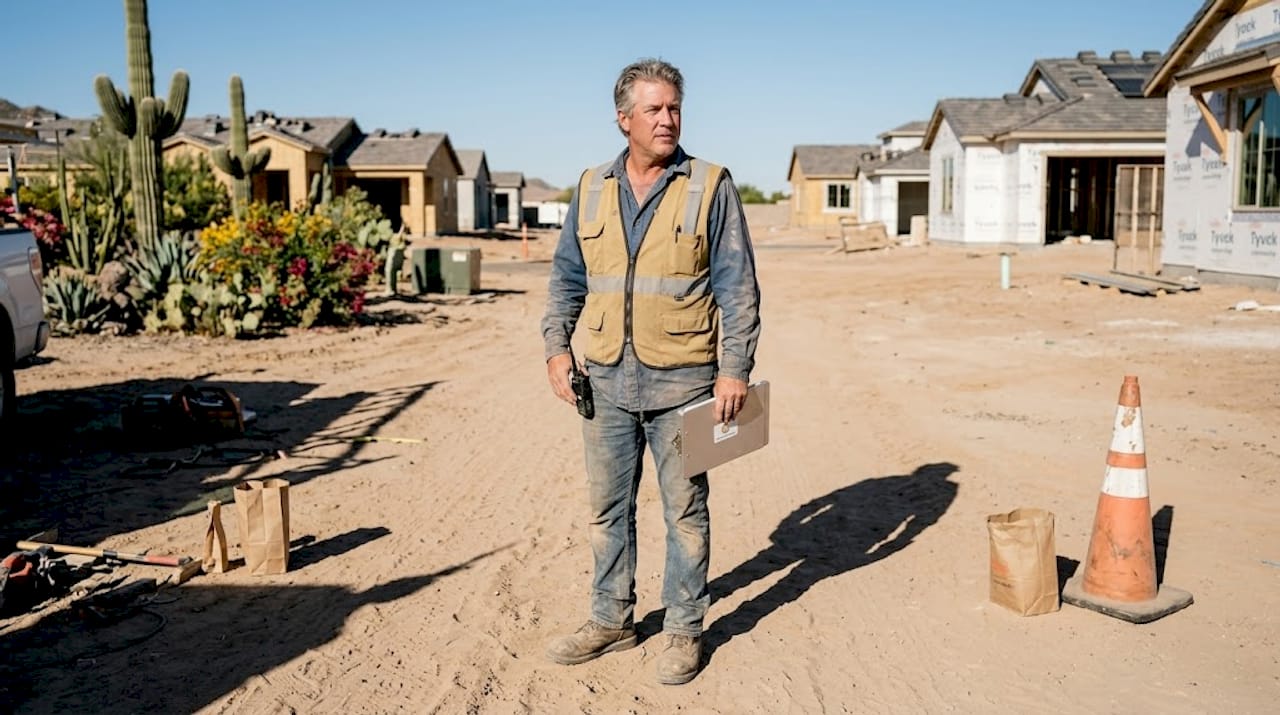
One major variable that surprises many buyers: some builders start construction before you sign a contract, which can significantly compress your timeline. Others start only after contract, which means a longer wait. Always ask specifically which model your builder uses and at what stage the home currently sits before you commit. The construction checklist for West Valley homeowners covers the questions you should ask at each stage.
Ensuring quality craftsmanship and effective project management
With a clear sense of timing, it's essential to focus on maintaining quality and managing your project effectively throughout the build.
Quality in new build construction is not guaranteed by a high price tag or a well-known builder name. It is the product of consistent oversight, timely inspections, and clear communication at every phase. Quality issues in new construction most often surface during inspection gates, particularly the pre-drywall phase, when structural and mechanical work is still visible.
Here is what proactive quality management looks like in practice:
- Pre-drywall inspection: Hire an independent licensed home inspector, not just the builder's in-house quality control person, to review framing, MEP rough-ins, and insulation before walls close.
- Foundation and slab inspection: In Arizona, expansive soils can create foundation issues years later. Confirming proper compaction and slab thickness early matters.
- Roof inspection: Many builders skip explaining this is an option. Get on the roof during framing or after shingles are installed to catch flashing and ventilation issues.
- Final walkthrough documentation: Photograph and document every item on your punch list. A verbal agreement is not enough. Get corrections confirmed in writing.
- Post-closing warranty engagement: Most builders offer a one-year workmanship warranty and a ten-year structural warranty. Understand exactly what is and is not covered before you close.
The homes that generate the most post-closing complaints are not always the ones with the worst builders. They are the ones where the buyer was disengaged during the process. Your involvement is a quality control tool.
Working with a general contractor in Arizona who manages all trades and inspections under one roof substantially reduces the risk of communication gaps. When one firm owns the outcome from start to finish, accountability is clearer and quality checkpoints are less likely to slip.
Pro Tip: At the final walkthrough, bring a flashlight, a phone charger to test every outlet, and a friend with fresh eyes. Builders count on buyer excitement to rush through this stage. Slow down.
Comparing new build homes with existing homes: advantages and considerations
Understanding the build process and quality is vital, but how does new construction stack up against buying an existing home in your area?
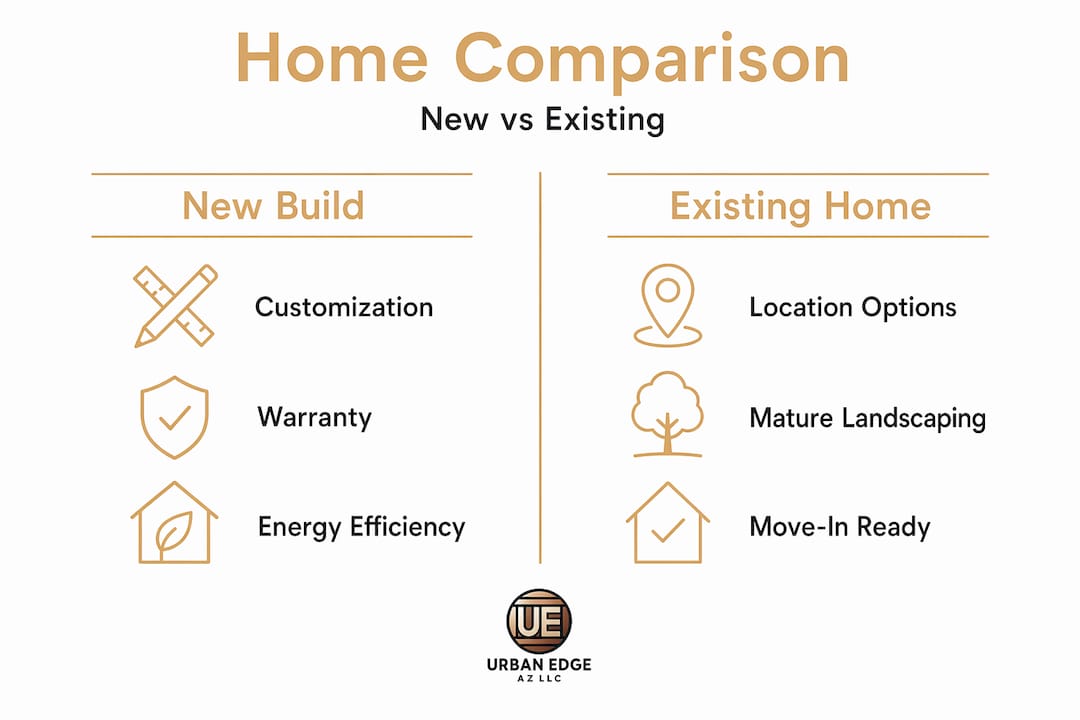
This is not a simple answer. The right choice depends on your specific financial position, lifestyle needs, and how much patience you genuinely have. Here is an honest comparison:
| Factor | New build | Existing home |
|---|---|---|
| Customization | High, especially in earlier stages | Limited unless you renovate |
| Move-in timeline | 5 to 7 months minimum | Typically 30 to 60 days after offer acceptance |
| Maintenance costs | Low initially; everything is new | Variable; depends on age and condition |
| Energy efficiency | Modern standards, better insulation and systems | Often lower; may require upgrades |
| Price | Generally higher upfront | Can be lower, but renovation costs add up |
| Negotiation power | Limited with large builders | More flexibility in most markets |
New-construction homes generally carry a price premium, particularly in dense urban areas where land is scarce. However, West Valley's suburban character means that premium is comparatively modest. Communities in Buckeye and Goodyear are specifically structured for new build development, so supply is more available than in central Phoenix. That matters for pricing.
Benefits of new builds that are often underestimated:
- Modern energy codes. Arizona's climate makes energy efficiency critical. New builds must meet current insulation, HVAC, and window standards that older homes often fall far short of.
- No deferred maintenance. You are not inheriting someone else's neglected water heater, aging roof, or outdated electrical panel.
- Warranty protection. New construction typically includes structured warranties that used homes do not offer.
- Design alignment. Open floor plans, larger closets, and modern kitchen layouts are built in rather than retrofitted.
The new build vs existing homes comparison for West Valley goes deeper on cost and value factors specific to your market.
Practical tips for West Valley homeowners planning a new build project
Equipped with in-depth knowledge of the market and process, here are practical steps you can take to ensure a smooth new build experience in West Valley.
- Research builders before communities. The floor plan you love means little if the builder has a pattern of missed timelines and poor punch list follow-through. Check the Arizona Registrar of Contractors for complaints and read verified reviews, not just testimonials on builder websites.
- Understand your purchase contract in detail. Builder contracts strongly favor the builder. Know what triggers can delay closing, what earnest money you stand to lose, and what modification rights you retain.
- Schedule independent inspections at every major gate. Builder schedules are tight and builders manage many projects simultaneously. Your independent inspector is not a cost, it is risk mitigation.
- Document every change and upgrade in writing. Verbal agreements made during sales center meetings have a way of disappearing by the time your home is framed. Email confirmation of all selections and changes creates accountability.
- Build a financial contingency buffer. Plan for at least 10 to 15 percent beyond your base contract price. Upgrade temptations, unforeseen site conditions, and post-closing needs are real budget risks.
- Protect your temporary housing plan. Timelines shift. Whether you are renting or living with family during the build, have a flexible plan that can extend without catastrophic cost or stress.
- Engage a local contractor for any post-closing modifications. Kitchen upgrades, additional landscaping, or custom shelving are often better handled after closing by a local contractor who knows your home and neighborhood requirements.
Pro Tip: Visit your build site at least once a week during active construction phases. You do not need construction expertise to spot things that look wrong. Your presence signals to the crew and builder that you are engaged, which directly affects the care taken on your project.
For a comprehensive step-by-step list, the West Valley construction checklist and guidance on hiring a contractor in AZ are worth reviewing before you sign anything.
A fresh perspective on new build construction for West Valley homeowners
Here is something most new build guides will not tell you directly: the marketing experience and the build experience are two entirely different things, and confusing them is where most homeowner disappointment originates.
Builder sales centers are designed to create confidence and excitement. Staged model homes with premium finishes, attentive sales agents, and projected timelines of "as little as five months" set expectations that the actual construction process often cannot meet. Your specific build timeline is far less predictable than buying an existing home because of variables like weather, permits, labor availability, and the fact that your builder is managing ten, twenty, or more homes simultaneously.
This is not cynicism. It is reality, and being prepared for it is a genuine advantage.
Quality issues in new construction are almost never obvious on the sales floor. They surface during inspections, sometimes months after you have emotionally committed to the home. Buyers who are present, ask questions, and hire independent inspectors consistently end up with fewer post-closing problems. This is not a coincidence. Builders prioritize homes where the buyer is visibly engaged.
The other thing few guides acknowledge: strong project management from your side of the table matters as much as the builder's internal processes. You do not need construction expertise. You need consistency. Show up. Ask questions. Document everything. Follow up in writing. Treat your new home build the way you would treat any major contract you are entering as a paying client, because that is exactly what it is.
The West Valley market specifically rewards this mindset. As a high-growth, suburban market, builders here are operating at volume. The homeowner who treats their build as a passive transaction tends to get passive results. The West Valley build insights from builders and contractors who specialize in this market consistently reinforce the same point: your engagement is a quality multiplier.
Finally, prepare mentally for the emotional cycle of a new build. Excitement during framing, frustration during the slow finish phase, anxiety before closing. These are universal experiences. Budget for them emotionally the same way you budget financially, and the process becomes dramatically more manageable.
Partner with Urban Edge AZ LLC for your West Valley new build
If you are at the point where the process feels less overwhelming but the execution still feels daunting, that is exactly where having the right contractor changes everything. Urban Edge AZ LLC specializes in residential new build construction and comprehensive project management across Buckeye, Goodyear, and Phoenix's West Valley communities.
Their team manages every construction phase with transparent scheduling, quality checkpoints, and direct communication, so you are never left guessing about where your project stands. Beyond new builds, their kitchen remodeling services help you customize and personalize your home after the initial build is complete. Whether you need a general contractor for a ground-up build or targeted remodeling work, Urban Edge AZ brings local expertise and warranty-backed craftsmanship to every project. Book a consultation today to get started with an accurate cost estimate and a clear project roadmap.
Frequently asked questions
What are the main stages of new build construction for homes?
The main stages include lot selection, contract signing, permitting, foundation, framing, mechanical and plumbing rough-in, insulation, drywall, finishing, final walkthrough, and closing. Each stage must be completed and inspected before the next begins.
How long does it usually take to build a new home in West Valley Arizona?
It typically takes between five and seven months, though that range shifts based on builder schedules, local permitting timelines, labor availability, weather, and whether construction started before or after your contract was signed.
Why are pre-drywall inspections important during new home construction?
Pre-drywall inspections let buyers and independent inspectors review framing, plumbing, electrical, and HVAC rough-ins while all systems are fully visible, making it the only reliable opportunity to catch structural or mechanical defects before they are permanently covered.
Is new build construction more expensive than buying an existing home?
Generally yes, but suburban new builds like those in West Valley carry a smaller price premium than urban new construction, and when you account for lower maintenance costs, warranty coverage, and energy efficiency, the total cost of ownership often levels out over time.
How can I ensure quality during my new home build?
Schedule independent inspections at the pre-drywall and final walkthrough stages, document all selections and change agreements in writing, visit the site regularly, and confirm your builder's warranty terms in detail before closing.