
TL;DR:
- Building a new home in the West Valley requires careful planning for Arizona-specific challenges like soil conditions and climate. The construction process involves multiple phases, from site prep to final inspections, each influenced by local factors that can affect timelines and costs. Prioritizing energy efficiency and thorough inspections ensures long-term comfort, affordability, and protection of your investment.
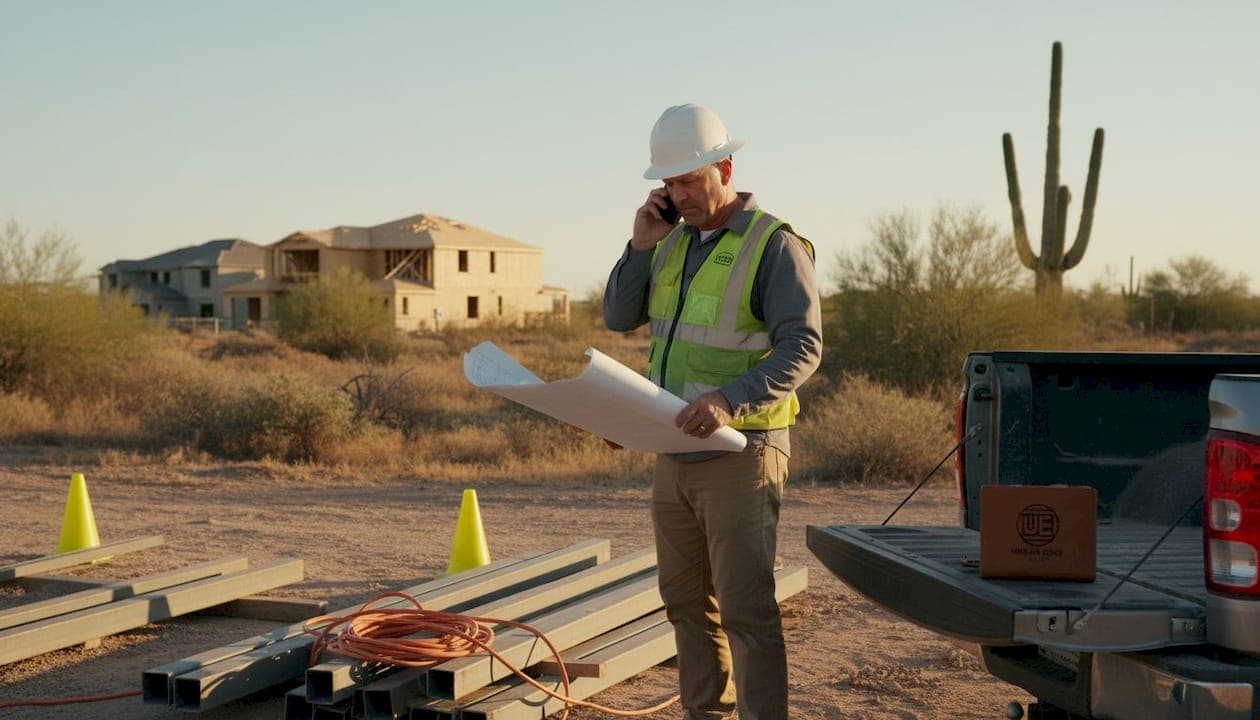
Building a new home in the West Valley sounds exciting until you realize how many moving parts are specific to Arizona's desert environment. The soil beneath your feet, the permit office you're dealing with, the summer monsoons that can stall framing crews, and the cooling loads your HVAC system must handle are all factors that most generic construction guides completely ignore. Knowing the full picture before breaking ground is not just smart financial planning. It's the difference between a smooth build and a costly, stressful ordeal. This guide walks you through every critical phase so you can move forward with confidence.
Table of Contents
- The step-by-step process of building a new home in West Valley AZ
- Timelines and costs: What to expect in 2026
- Quality and efficiency: Building for the Arizona desert
- New build or remodel: Making the smartest choice for your needs
- Permits, inspections, and protecting your investment
- What most guides miss about new builds in Arizona
- Ready to build your dream home? Partner with West Valley specialists
- Frequently asked questions
Key Takeaways
| Point | Details |
|---|---|
| Phased build process | Every new home in West Valley AZ goes through well-defined steps, each with its own requirements and checkpoints. |
| Budget for the unexpected | Timelines and costs often change due to local permitting, supply chains, and climate — plan a flexible budget. |
| Prioritize efficiency | Invest in smart energy-saving choices and third-party inspections for the best long-term value. |
| Remodel vs. rebuild tradeoffs | Remodels may be faster, but new builds bring warranties and lower operating costs in most cases. |
| Regulatory steps matter | Permits, code compliance, and inspections are vital for protecting your investment and final home quality. |
The step-by-step process of building a new home in West Valley AZ
With a clear sense of why the West Valley is unique, let's break down how the new build process actually unfolds from dirt to move-in.
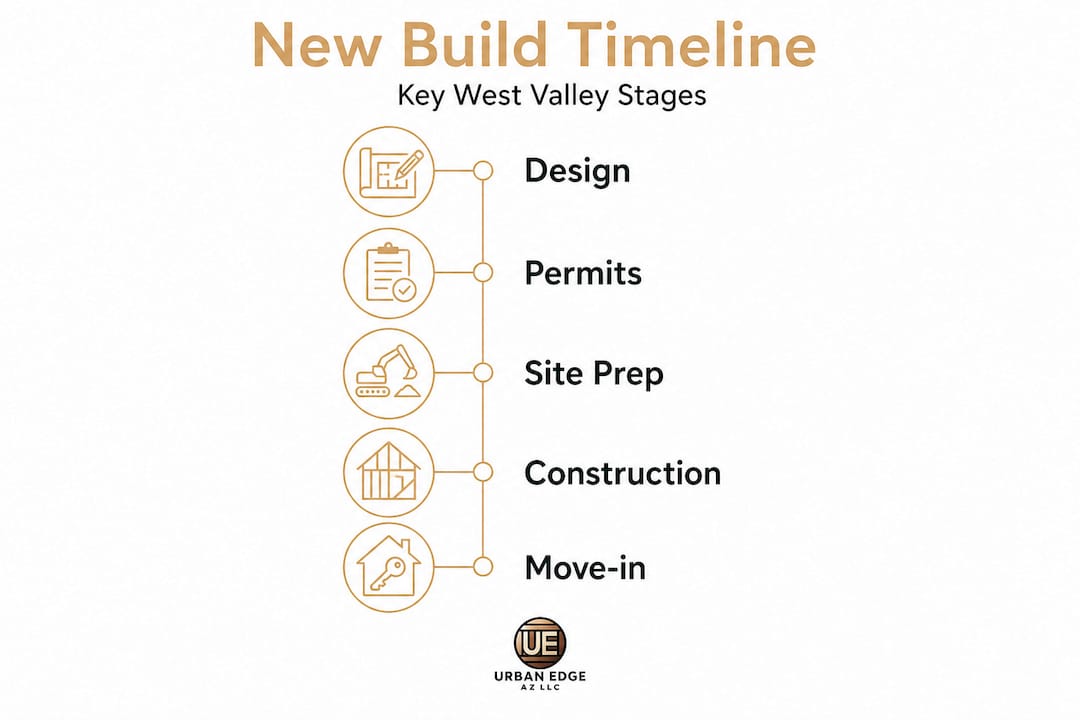
New home construction in West Valley AZ follows a standard multi-phase process, but don't let the word "standard" fool you. Each phase carries Arizona-specific challenges that can affect your schedule if you're not prepared. Here is the sequence most builds in Buckeye, Goodyear, and Phoenix follow:
- Lot preparation and grading. The site is cleared, graded, and prepped for foundation work. In the West Valley, crews frequently encounter caliche, a rock-hard calcium carbonate layer sitting just below the topsoil. Breaking through caliche is labor intensive and can add time and cost to this first phase.
- Slab foundation. Most Arizona homes use a monolithic slab rather than a basement, largely because the desert soil is prone to shifting when moisture levels change. The slab must be engineered correctly for local soil conditions. Cutting corners here will show up as cracked walls and uneven floors years later.
- Underground utilities. Plumbing, electrical conduit, and sometimes gas lines are stubbed into the slab before concrete is poured. This is one of the most critical sequencing points in the build because mistakes buried under concrete are expensive to fix.
- Framing. Wood or steel framing goes up fast, often within a few weeks on a standard production home. This is when your floor plan becomes real and three-dimensional.
- Insulation. Arizona's extreme heat demands high-performance insulation. Spray foam and rigid board insulation are preferred over standard fiberglass batts in desert climates because they seal air gaps more effectively.
- Exterior sheathing and roofing. The home is weatherproofed. In the West Valley, roofing material choice matters enormously. Tile roofing is common because it handles UV exposure and heat far better than asphalt shingles.
- Rough-ins: plumbing, electrical, and HVAC. All the systems inside your walls are installed before they get covered up. HVAC sizing is particularly important in Arizona because an undersized system will run constantly during summer and still fail to keep the home comfortable.
- Drywall. The interior walls take shape, and the home starts looking finished even though there's still significant work ahead.
- Interior finishes. Flooring, cabinetry, countertops, paint, fixtures, and trim all happen in this phase. It's also the most customizable phase and the easiest place to go over budget.
- Landscaping and final inspections. The exterior gets finished, the yard is prepared, and city or county inspectors sign off on all systems before issuing the certificate of occupancy.
Understanding the Arizona general contracting steps within each phase helps you ask better questions and catch problems early. For a more detailed site-prep breakdown, the West Valley construction checklist is worth reviewing before you start. And if you're still new to how projects are managed from the top down, it helps to understand general contracting basics before committing to any builder.
"Your foundation is not a cost-cutting opportunity. In Arizona's expansive clay and caliche soils, a properly engineered slab is the single best investment you'll make in the entire build."
Timelines and costs: What to expect in 2026
Once you know the steps, it's time to get practical. What will it cost, and how long will it really take to get your new home built?
Production homes typically take 6-12 months to complete in the West Valley, while custom homes stretch to 9-14 months. Permits alone can take 4-8 weeks to process, and that's before a single shovel hits the ground. Supply chain delays on windows, garage doors, and HVAC equipment have continued to affect builds, and summer heat in July and August can slow exterior work significantly.
Here's a realistic look at where the time goes:
| Phase | Typical duration |
|---|---|
| Design and plan approval | 4-8 weeks |
| Permitting | 4-8 weeks |
| Site prep and foundation | 2-4 weeks |
| Framing and rough-ins | 4-8 weeks |
| Insulation, drywall, finishes | 6-10 weeks |
| Landscaping and final inspection | 2-4 weeks |
On the cost side, average new construction runs $155-$220 per square foot for a standard production home, putting a typical 2,000-square-foot home around $310,000 before land. Custom builds can stay in that same range or climb much higher, and luxury construction starts at $400 per square foot and up. Entry-level homes in Buckeye have come in at low to mid $300,000s, which continues to attract buyers priced out of Scottsdale and central Phoenix.
But the per-square-foot number only tells part of the story. Here are the additional costs that catch many homeowners off guard:
| Additional cost | Typical range |
|---|---|
| Raw land purchase | $50,000-$200,000+ depending on location |
| Permit fees | $2,000-$8,000+ |
| HOA fees (if applicable) | $50-$300/month |
| Community Facilities District (CFD) assessments | Varies, often $1,000-$3,000/year |
| Utility connections and impact fees | $5,000-$15,000 |
For a broader look at how these numbers compare to remodeling, the AZ build and remodel costs breakdown is a helpful reference.
Pro Tip: Lock in your finish selections as early as possible. Every change order after construction starts adds cost and typically extends your timeline by days or weeks. Builders call this "scope creep," and it's the leading cause of budget overruns on otherwise well-planned projects.
Quality and efficiency: Building for the Arizona desert
Now that you know what to expect in terms of time and budget, let's zoom in on what makes a West Valley home truly stand out. Smart choices for long-term quality and efficiency are what separate a home that stays comfortable and affordable from one that costs you every summer.
Arizona's climate is relentless. Summers regularly push above 110 degrees Fahrenheit in Buckeye and Goodyear, and a home that isn't built to handle that heat will punish you with high electric bills and mechanical breakdowns. The good news is that building energy-efficient homes in Arizona is entirely achievable when you know what to ask for from day one.
The most impactful efficiency choices include:
- North-south home orientation. Positioning the longest sides of your home to face north and south minimizes how much direct east-west sun hits your windows and walls during the hottest parts of the day. This one design decision can cut cooling loads meaningfully without adding a dollar to construction.
- Spray foam or rigid board insulation. Both outperform standard fiberglass in Arizona because they prevent air infiltration in addition to slowing heat transfer. Air sealing is where most Arizona homes leak money.
- Low-E window glass. Low-emissivity coatings block infrared heat while still letting visible light through. In a home with large windows facing west, this upgrade pays for itself quickly.
- High-SEER HVAC systems. The Seasonal Energy Efficiency Ratio measures how efficiently a system cools. A high-SEER rating (16 or above) is especially valuable in the West Valley because your system runs far more hours per year than it would in a milder climate.
- Solar panels. Arizona's abundant sun makes solar one of the fastest-returning investments a homeowner can make. Combining solar with efficient building practices often results in near-zero monthly utility bills.
- Xeriscaping. Desert-adapted landscaping that requires minimal irrigation keeps your water bills low and your yard looking good year-round without fighting the climate.
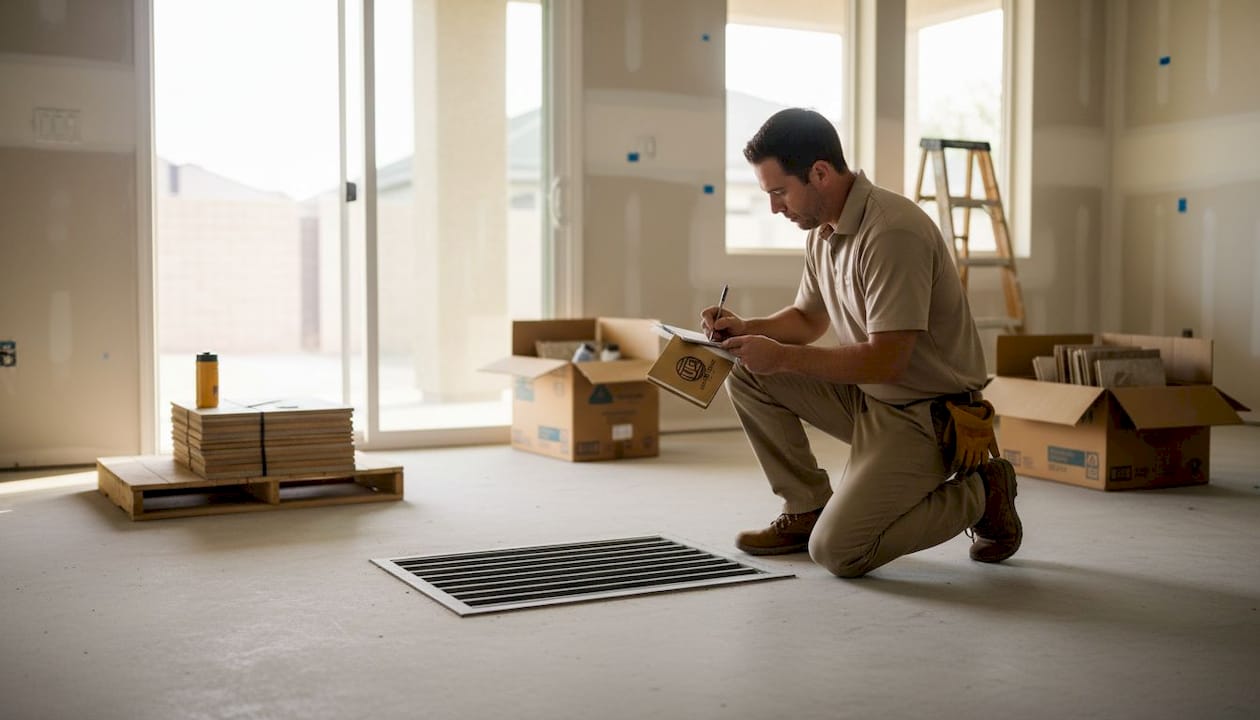
Beyond efficiency, quality construction defects are more common in new builds than most buyers expect. Common new construction defects in Arizona include poor site grading that allows water to pool against the foundation, HVAC systems that are sized incorrectly for the actual home, and insulation gaps that create hot spots in ceilings and walls. These problems don't always show up immediately, which is why catching them early is so important for your home quality checks.
"The pre-drywall inspection is the single highest-value inspection you can schedule during a new build. Once those walls close up, finding and fixing problems becomes exponentially more expensive."
Pro Tip: Schedule an independent third-party inspection at two key moments: before drywall goes up so that insulation, framing, and rough-in work can be verified, and again within 30 days before your builder's one-year warranty expires. Both inspections give you leverage to get defects corrected at no cost to you.
New build or remodel: Making the smartest choice for your needs
Of course, building new isn't always the only or best answer. It's worth comparing the real-life tradeoffs of new construction versus remodeling your existing Arizona home.
New builds offer clear advantages in customization, energy efficiency, and warranties, but they come with longer timelines and more upfront coordination. Remodeling is faster and cheaper for targeted improvements, but it can uncover hidden problems like outdated wiring, original plumbing, or pest damage that blows up your budget. Structurally, remodeling costs more per square foot than new construction when you're making major changes.
Here's how the two paths compare across the factors that matter most to West Valley homeowners:
| Factor | New build | Remodel |
|---|---|---|
| Customization | Full control from layout to finishes | Limited by existing structure |
| Energy efficiency | Latest standards and systems | Depends on upgrades made |
| Timeline | 6-14 months | 2-6 months for most projects |
| Cost predictability | Easier to estimate upfront | Hidden issues can inflate costs |
| Warranty coverage | Structural warranties up to 8 years | No warranty on existing systems |
| Neighborhood | New community or chosen lot | Retain existing neighbors and location |
| Disruption | Temporary housing needed | Living in construction zone |
When deciding which path makes sense, ask yourself these questions:
- Does your current home have strong bones with good structural integrity and a functional layout?
- Are you attached to your neighborhood, school district, or proximity to work?
- Are you looking to improve 1-2 rooms rather than transform the entire property?
- Is your existing home large enough and simply dated in its finishes?
If you answered yes to most of those, remodeling may be the smarter play. Start with Arizona remodeling ideas to see what's realistic for your home type. The remodel vs new build comparison goes deeper on when each option adds the most long-term value. And before signing anything, review remodel contract tips to protect yourself legally and financially.
If your existing home doesn't meet your space needs, has significant structural problems, or sits on a lot you don't love, a new build gives you a blank canvas. The long-term efficiency gains and warranty protections often make new construction cheaper over a 10-year horizon even when the upfront number looks higher.
Permits, inspections, and protecting your investment
Whether you choose a new build or a remodel, the legal and regulatory process in Arizona safeguards your investment if you know which steps to follow.
The City of Phoenix residential building process requires plan submittal and review for code compliance covering energy standards for insulation, windows, and HVAC before permits are issued and construction begins. Buckeye and Goodyear follow similar processes but have their own planning departments with slightly different review timelines. Knowing which jurisdiction your lot falls under matters for accurate scheduling.
Here's the permit and inspection sequence for most West Valley new builds:
- Submit architectural plans. Plans must meet current energy codes, which in Arizona include requirements for insulation R-values, window performance ratings, and HVAC efficiency minimums.
- Plan review. City reviewers check for code compliance and structural adequacy. This stage can take 4-8 weeks depending on the city and current workload.
- Permit issuance. Once approved, permits are issued and construction can begin. Permit costs vary but typically run $2,000-$8,000 for a full new build.
- Required inspections during construction. Inspectors will visit at defined milestones including foundation, rough framing, electrical, plumbing, and mechanical rough-in stages.
- Final inspection and certificate of occupancy. The city's final sign-off is required before you can legally move in.
Beyond city inspections, getting fixed-price contracts, verifying your contractor's ROC license, and planning for CFD and HOA fees in new communities are essential steps that many first-time builders skip. Arizona's Registrar of Contractors (ROC) database is publicly searchable and takes only minutes to verify. Never hire a contractor you can't confirm is licensed and bonded.
Structural warranties on new Arizona homes typically cover major defects for up to 8 years, which is a significant advantage over buying a resale property with no warranty protections. For complete guidance on working with licensed professionals, the contractor hiring guide covers what to look for and which red flags to avoid.
"Your building permit is not bureaucratic red tape. It's a documented protection that ensures every system in your home was reviewed and inspected. Unpermitted work, by contrast, creates liability and can complicate or kill a future sale."
What most guides miss about new builds in Arizona
Even with best practices in hand, here's where real-world experience in the West Valley actually makes all the difference.
Most guides present new construction as a logical, orderly process. The reality on the ground in Buckeye and Goodyear is messier. Soil reports come back with surprises. Plan reviewers request revisions you didn't anticipate. A material shortage delays your window installation by six weeks, which pushes your framing inspection, which pushes your drywall, which pushes your move-in date into a different season. These cascading delays are not exceptions. They are the norm for anyone who has built more than a handful of homes in this region.
The biggest mistake we see West Valley homeowners make is treating standard timelines and standard specs as guarantees. They are estimates. The contract you sign should define what happens when timelines shift, who absorbs material cost increases, and what your recourse is if work doesn't meet spec. A vague contract that sounds friendly when you sign it can become very expensive when things go sideways.
Here's the counterintuitive truth about upgrades in desert climates: the efficiency upgrades almost always matter more than the aesthetic ones. A homeowner who spends an extra $8,000 on upgraded insulation and a high-SEER HVAC system will see measurable returns on their utility bills every single month. A homeowner who spends $8,000 on designer tile instead will have a beautiful bathroom that costs the same to cool as a standard one. In a climate where your air conditioner runs 8-10 months a year, investing in performance over appearance is one of the most financially sound decisions you can make.
The other reality most guides won't say plainly: the decisions that are hardest to change after move-in deserve the most of your attention and budget before construction ends. Floor plan layout, structural walls, window placement, roof overhangs, and HVAC system design are all things you can't easily fix once the certificate of occupancy is in hand. Countertops and paint colors, on the other hand, can be changed any time. Focus your energy accordingly.
Our practical build advice covers more of these real-world considerations for anyone looking to go deeper before committing to a builder.
Ready to build your dream home? Partner with West Valley specialists
If you want to turn these insights into reality, having a trusted West Valley partner can make all the difference.
At Urban Edge AZ LLC, we specialize in new home construction and remodeling across Buckeye, Goodyear, and Phoenix. We bring local expertise to every phase of your project, from architectural planning and permit navigation to interior finish selection and final walkthrough. Our fixed-price contracting approach means you know what you're spending before a shovel hits the ground, and our focus on energy-efficient building materials means your home is built to perform in Arizona's climate for decades. Whether you're exploring a new build or starting with a targeted remodel like a kitchen remodeling project, our team is ready to guide you from concept to move-in. Book a consultation today and let's map out your project together.
Frequently asked questions
What is the average cost per square foot for new home builds in West Valley AZ?
Average new construction costs range from $155 to $220 per square foot for standard production homes, with custom and luxury builds ranging higher, starting at $400 per square foot for high-end finishes and features.
How long does it take to build a new home in West Valley AZ?
Production homes take 6-12 months to complete, while custom homes typically require 9-14 months, with permit reviews alone adding 4-8 weeks before construction can begin.
What energy-saving features should West Valley homeowners look for in a new build?
Prioritize north-south home orientation, spray foam insulation, Low-E windows, high-SEER HVAC systems, and solar panels, as these features deliver the strongest long-term returns in the Arizona desert climate.
Are third-party home inspections necessary during new builds?
Yes. Independent inspections before drywall and again before your builder's warranty expires are the most effective ways to catch defects like insulation gaps, poor grading, and HVAC sizing errors while corrections are still covered at no cost to you.
What is required to get a building permit for new construction in Arizona?
You must submit architectural plans for review, pass code compliance checks covering insulation, windows, and HVAC standards, and receive approved permits before any construction work can legally begin.