
TL;DR:
- Arizona law requires a licensed contractor for projects over $1,000 or needing a permit.
- A general contractor manages project coordination, permits, inspections, and quality control.
- Hiring unlicensed contractors increases legal, financial, and lien-related risks for homeowners.
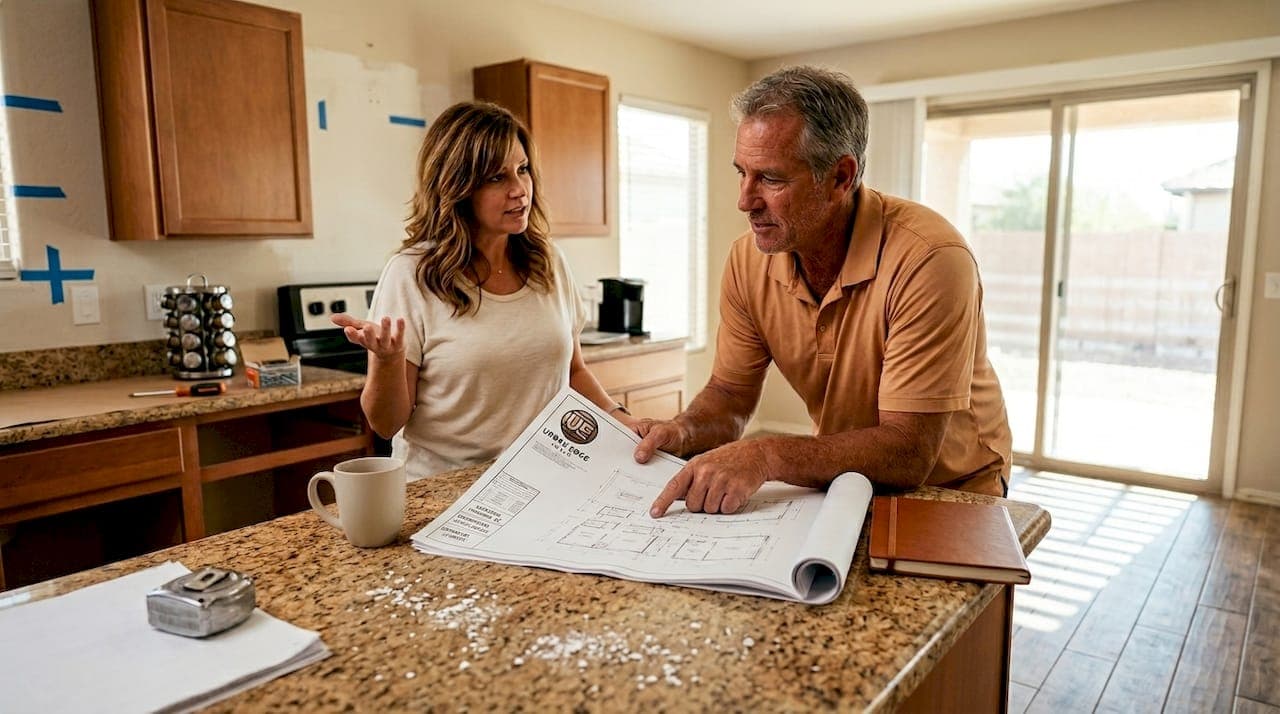
Many West Valley homeowners assume that hiring "a contractor" is as simple as finding someone with a truck and a toolbox. That assumption can cost you thousands of dollars, land you in a legal dispute, or leave you with an addition on your home that fails inspection. Arizona requires a contractor's license when a project exceeds $1,000 in labor and materials, or whenever a permit is required, regardless of price. This guide breaks down exactly what general contracting means, when Arizona law requires a licensed professional, and how to protect yourself every step of the way.
Table of Contents
- What is general contracting in Arizona?
- Is a contractor license required? Key thresholds
- The nuts and bolts: What a general contractor actually does
- Legal and financial protections for homeowners
- Common mistakes and how to avoid them
- The real difference a solid general contractor makes
- Ready to hire a pro? Urban Edge AZ LLC is here to help
- Frequently asked questions
Key Takeaways
| Point | Details |
|---|---|
| AZ-specific legal definition | General contracting means handling most structural or significant residential work under strict Arizona licensing laws. |
| License requirements | Projects over $1,000 or requiring a permit must use a licensed contractor to comply with the law. |
| Legal and financial protection | Hiring a licensed general contractor helps you safeguard your property from lien and insurance risks. |
| Common mistakes | Homeowners often skip license checks or misunderstand permits, putting their finances at risk. |
| True value of expertise | A trustworthy general contractor delivers more than compliance, offering leadership and peace of mind. |
What is general contracting in Arizona?
Most people use the word "contractor" loosely, the way they'd say "mechanic" without thinking about the difference between a transmission specialist and a brake technician. In the construction world, that distinction matters enormously, especially when your home, your finances, and your legal standing are on the line.
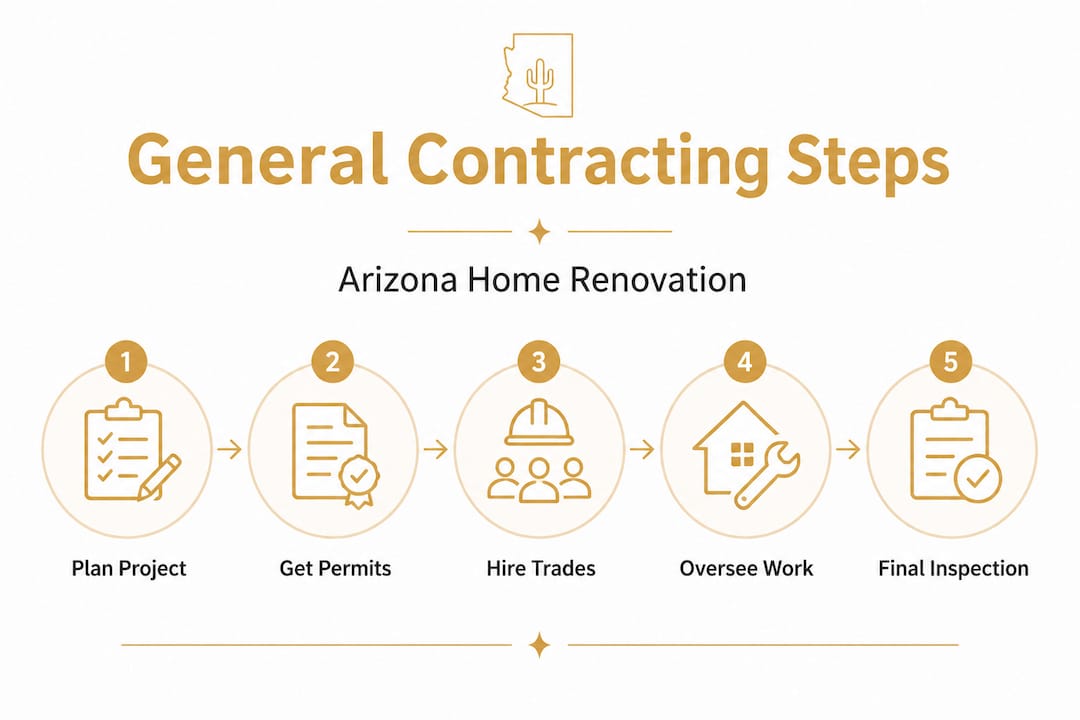
A general contractor is the professional who takes overall responsibility for a construction or remodeling project. They coordinate every moving part: permits, scheduling, subcontractors, materials, inspections, and final delivery. They are the single point of contact between you and the work being done on your home.
In Arizona, the definition is formalized by the Arizona Registrar of Contractors (ROC), the state agency that licenses, investigates, and disciplines construction professionals. Here's how they describe it:
"Residential contracting is defined as constructing, altering, repairing, adding to, subtracting from, improving, moving, wrecking or demolishing residential structures and related appurtenances on or within residential property lines, including certain utility and service connections and mechanical or structural service."
That definition is broader than most homeowners realize. It's not just building a new house from scratch. Finishing your garage, adding a bedroom, replacing load-bearing walls, installing a new electrical panel, or even tearing down an old storage shed can all fall under the umbrella of general contracting in Arizona.
Here's a quick breakdown of activities that typically fall under general contracting versus those handled by specialty contractors:
General contracting activities:
- New home construction and custom builds
- Full kitchen or bathroom remodels involving structural or mechanical changes
- Room additions and second-story expansions
- Home demolition or major structural alterations
- Project coordination across multiple trades (plumbing, electrical, framing, roofing)
Specialty contractor activities (separate licensing):
- Electrical work only (requires a separate electrical contractor license)
- Plumbing only
- HVAC installation or repair only
- Landscaping and irrigation
The key difference is scope and oversight. A general contractor manages the whole project and often pulls the permits, while specialty contractors handle defined trades under the general contractor's supervision. If you hire a specialty contractor directly, they are responsible for their scope only. But if something goes wrong between trades, and no general contractor is overseeing the project, the liability gap can fall squarely on you as the homeowner.
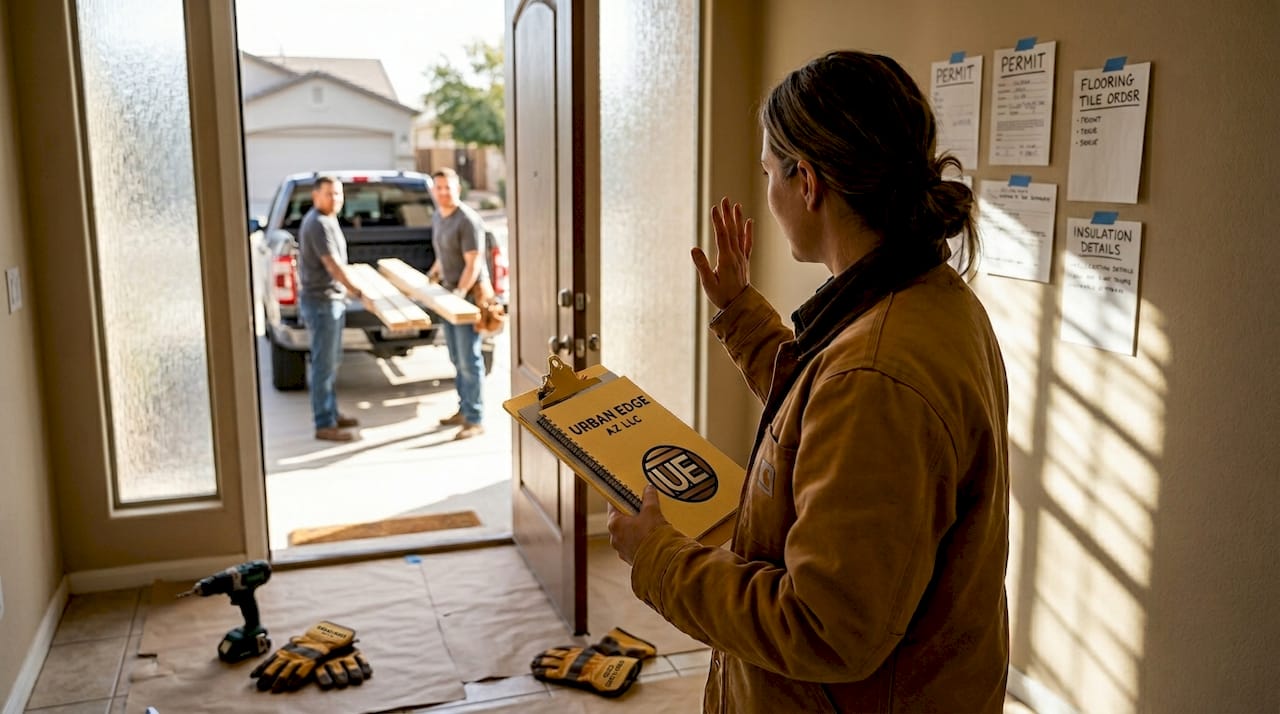
Watch for contractor hiring red flags early in the process, especially if someone offers to "skip the permit" or bids unusually low with no written breakdown. Those are warning signs worth taking seriously before any money changes hands.
Is a contractor license required? Key thresholds
Understanding what activities count as general contracting is only half the picture. Knowing exactly when Arizona law requires a licensed professional is what keeps you protected.
Arizona's legal threshold is straightforward: a contractor's license is required when a project's combined labor and materials cost exceeds $1,000, or when the project requires a permit, no matter what the dollar amount is. Both conditions can independently trigger the licensing requirement.
That $1,000 threshold catches a lot of homeowners off guard. It sounds like a small number, and it is. Labor rates in the West Valley can easily push a single-day job past that mark. A basic drywall patch with texture matching, a new exterior door installation, or replacing a few sheets of rotted decking can all tip over $1,000 when you factor in materials and labor together.
Here's where it gets even more important: permits exist for your protection. They trigger inspections that confirm the work was done correctly. If unpermitted work is discovered during a future home sale, you may be required to tear it out and redo it at your expense before closing.
| Project type | Estimated labor + materials | Permit typically required | Licensed contractor required |
|---|---|---|---|
| Patch drywall (small area) | Under $500 | No | No |
| Replace exterior door | $800 to $1,200 | Sometimes | Yes if over $1,000 |
| Install new bathroom | $8,000 to $20,000 | Yes | Yes |
| Kitchen remodel (full) | $15,000 to $60,000 | Yes | Yes |
| Room addition | $40,000 to $100,000+ | Yes | Yes |
| Replace water heater | $1,000 to $2,000 | Yes | Yes |
| Roof replacement | $10,000 to $25,000 | Yes | Yes |
| Repaint interior walls only | $500 to $2,500 | No | No |
Pro Tip: City-level rules in Buckeye, Goodyear, and Phoenix can be stricter than the state baseline. Always check with your local building department before assuming a job is permit-free. Some cities require permits for projects that the state does not, and local inspectors will enforce those rules regardless of what the state threshold says.
If you're planning a kitchen renovation, understanding kitchen remodeling license rules in your city can save you from costly surprises midway through the project. A licensed contractor familiar with local permitting offices will already know these nuances and handle the paperwork for you.
The nuts and bolts: What a general contractor actually does
Once you know when a licensed contractor is required, it's vital to understand exactly what they do for the money. Many homeowners assume a general contractor just hires other people. The reality is far more involved, and the coordination they provide is often what makes the difference between a smooth project and a disaster.
Arizona law is clear: any contracting work that builds, alters, repairs, adds to, improves, moves, wrecks, or demolishes any building or structure must be handled by a properly licensed contractor. The scope of work a general contractor manages reflects that responsibility at every stage.
Before construction begins:
- Design input and review. A good general contractor reviews your plans, catches constructability issues early, and sometimes collaborates directly with architects or designers to make sure your vision translates to the real world. They know what works in Arizona's desert climate, what materials hold up in the heat, and where past designs have caused problems.
- Permit applications. They prepare and submit permit applications to the city or county, respond to comments from plan reviewers, and track approval status. This process can take weeks in busy jurisdictions.
- Cost estimating. They provide detailed cost breakdowns, including labor, materials, subcontractor bids, and a contingency buffer for the unexpected. Transparent estimating is how you avoid budget overruns.
During construction:
- Subcontractor management. General contractors hire, schedule, and supervise specialty trades like electricians, plumbers, framers, and tile setters. They coordinate the sequencing so that each trade finishes before the next one starts.
- Materials procurement. They source and often purchase materials, track deliveries, and make sure the right product arrives at the right time. In supply chain crunches, this experience matters enormously.
- Inspection coordination. They schedule required inspections at each milestone, ensure the work passes, and address any corrective items the inspector identifies.
- Quality control on-site. They walk the site regularly, catch installation errors before they become expensive problems, and hold subcontractors accountable to the agreed scope.
After construction wraps:
- Punch list completion. A punch list is a final document of everything that needs fixing or touching up before the project is officially done. Great contractors resolve these quickly.
- Warranty documentation. They provide you with warranty information for workmanship and installed systems so you know who to call if something goes wrong.
- Project close-out. Final permit sign-offs, lien releases from subcontractors, and handoff of all relevant documentation close the project properly.
Pro Tip: A great general contractor serves as your single point of accountability. When something goes wrong, and on any significant project, something always does, you want one person responsible for fixing it. That clarity protects your time, your money, and your sanity.
Understanding general contractor responsibilities upfront helps you evaluate candidates more effectively. Ask any prospective contractor how they handle permit delays, subcontractor disputes, and punch list items. Their answers will tell you more than their bid price ever could.
Legal and financial protections for homeowners
Beyond managing your remodel, the right contractor impacts your financial safety net and legal peace of mind in ways most homeowners never consider until something goes wrong.
One of the most important but least understood protections is the mechanics' lien. A mechanics' lien is a legal claim that subcontractors or suppliers can file against your property if they are not paid for work they performed or materials they supplied, even if you already paid the general contractor. It can cloud your property title and complicate or delay a future home sale.
Arizona's mechanics' lien process involves four procedural stages: preliminary notice, lien recording, lien foreclosure, and priority determination. Licensing compliance directly affects how these stages play out and who has enforceable rights.
Here's why hiring a licensed general contractor matters so much in this context:
- Licensed contractors are required to carry liability insurance and are often bonded, giving you a financial backstop if something goes wrong.
- Licensed contractors can legally be held accountable through the Arizona ROC complaint process, which can result in fines, license suspension, or a recovery fund payout.
- Unlicensed contractors can still file mechanics' liens, but their claims may be challenged more easily, and the legal process to resolve them can still cost you significant attorney fees.
- If an unlicensed contractor or their supplier files a lien, you may need to pay twice: once to the contractor and again to the unpaid supplier.
| Protection area | Licensed contractor | Unlicensed contractor |
|---|---|---|
| Lien rights and enforceability | Proper lien releases required; you have ROC recourse | Liens still possible; limited recourse options |
| Liability insurance coverage | Required and verifiable | Not required; often absent |
| Legal recourse for bad work | ROC complaint + civil court | Civil court only; often harder to recover |
| Workmanship warranty | Legally enforceable; ROC tracks compliance | No formal warranty protection |
The risks of hiring an unlicensed contractor extend beyond the job itself. Consider these specific scenarios that West Valley homeowners have faced:
- A homeowner hires an unlicensed remodeler who collects a deposit and disappears. Because the person is unlicensed, the ROC cannot discipline them, and civil recovery is slow and uncertain.
- A supplier who never received payment files a lien against a property six months after a project finishes. The homeowner paid the contractor in full but had no lien release documentation.
- Unpermitted electrical work causes a house fire. The homeowner's insurance company denies the claim because the work was done without permits or a licensed electrician.
These are not edge cases. They happen regularly across the Phoenix metro area, and they are almost entirely preventable by verifying licensing before hiring.
Common mistakes and how to avoid them
Legal risks and missed details often stem from simple, preventable mistakes. Here's how to sidestep the ones that cause the most damage.
Before hiring, always verify the contractor is properly licensed for residential contracting on the Arizona ROC website. Confirm whether your project triggers the $1,000 threshold or requires a permit, and never skip this step just because someone comes with a strong referral.
The most common and costly mistakes West Valley homeowners make:
- Hiring without checking the ROC. A friendly referral is a starting point, not a substitute for license verification. Licenses can expire, be suspended, or have conditions attached. The ROC website search takes about two minutes.
- Assuming small jobs don't need permits. A bathroom fan replacement wired into your panel, a water heater swap, or a pergola attached to your home may all require permits. Skipping them can create title problems when you sell.
- Accepting verbal agreements. Every project should have a written contract that specifies scope, schedule, payment milestones, and what happens if there are changes. Verbal agreements are nearly impossible to enforce.
- Paying too much upfront. Arizona does not cap contractor deposits by law, but industry standard is 10 to 30 percent upfront. A contractor demanding 50 percent or full payment before starting is a red flag.
- Ignoring early warning signs. Slow communication, vague answers about licensing, no physical address, and pressure to start immediately before contracts are signed are all warning signs. The way a contractor handles the first phone call tells you a great deal about how they will handle problems on your job.
Pro Tip: Ask every prospective contractor for their ROC license number during the first conversation, not after. A reputable, properly licensed contractor will give it without hesitation and often volunteer it proactively. If they fumble, change the subject, or say they'll "get it to you later," walk away.
Knowing red flags when hiring a contractor helps you spot problems before you sign anything. Trust your instincts, verify everything, and never let urgency push you past due diligence.
The real difference a solid general contractor makes
Most guides stop at legalities. Follow the licensing rules, pull the permits, and you're covered. That's necessary, but it's not the whole picture. The real value of a skilled general contractor goes much deeper than compliance.
Here's what we've seen working in the West Valley: homeowners who hire based on price alone almost always spend more in the end. A low bid often reflects what is being left out, not efficiency. Missing scope items, unlicensed subcontractors, cheap materials, and absent project management all add costs that surface later, sometimes much later.
Local experience matters enormously in Arizona, more than most homeowners understand. The desert climate is unforgiving. Roofing materials, exterior paint, window systems, and insulation choices that work in milder climates often fail here within a few years. Soil conditions in parts of Buckeye and Goodyear create specific foundation requirements. A contractor who has worked extensively in the West Valley knows these factors before they become problems on your project.
Permit bottlenecks are another reality that local experience navigates well. Some municipalities in the Phoenix metro area have specific plan review processes, preferred submittal formats, and inspection scheduling quirks. A contractor who has worked in your city before already has that relationship and that knowledge. They can predict timelines realistically, which means your project schedule is actually achievable, not aspirational.
The contractors worth hiring also document everything. Written scope of work, change orders in writing, photo documentation of work in progress, and clear communication throughout the project are not extras. They are the baseline of professional practice. If a contractor cannot or will not provide these, that tells you something important.
Transparency about past work is equally telling. Ask to see local project examples and talk to past clients directly. A confident, experienced contractor will welcome that conversation. One who deflects or offers only vague references is worth questioning.
The best contractors also foresee problems. They flag a potential structural issue during design rather than after framing begins. They identify that a material you love has a 14-week lead time before you lock in a schedule. They tell you the truth about your budget versus your wish list before you are emotionally committed to a plan that does not work. That kind of proactive communication is the difference between a project that builds your confidence and one that erodes it.
Ready to hire a pro? Urban Edge AZ LLC is here to help
After walking through the legal landscape, the real responsibilities, and the risks of getting it wrong, the next step is putting that knowledge to work on your actual project.

Urban Edge contracting services cover the full range of residential work in Buckeye, Goodyear, and Phoenix, from handyman repairs and bathroom updates to full custom home construction. Every project is managed by a properly licensed team with deep West Valley experience, transparent pricing, and a commitment to finishing on time. We handle permits, manage subcontractors, and keep you informed at every stage so you never have to wonder what is happening on your job. Before you sign anything with anyone, review common hiring red flags and then reach out to schedule a free consultation. We are happy to answer your questions, walk through your project scope, and give you a clear estimate before you commit to anything.
Frequently asked questions
Do I need a licensed contractor for small home repairs?
If the labor and materials combined exceed $1,000 or the work requires a permit, Arizona law requires a licensed contractor, regardless of how minor the job seems.
What if I hire an unlicensed contractor in Arizona?
You risk losing key legal protections, including the ability to file ROC complaints, and lien enforceability can become complicated without proper licensing documentation from your contractor.
How can I check if a contractor is licensed in Arizona?
Visit the Arizona ROC website and search by the contractor's name or license number to verify current license status before signing any contract or paying any deposit.
Are handyman services considered general contracting?
Many handyman jobs do require a general contractor's license if the total cost exceeds $1,000 or requires a permit, which means "handyman" does not automatically mean unlicensed work is acceptable.